
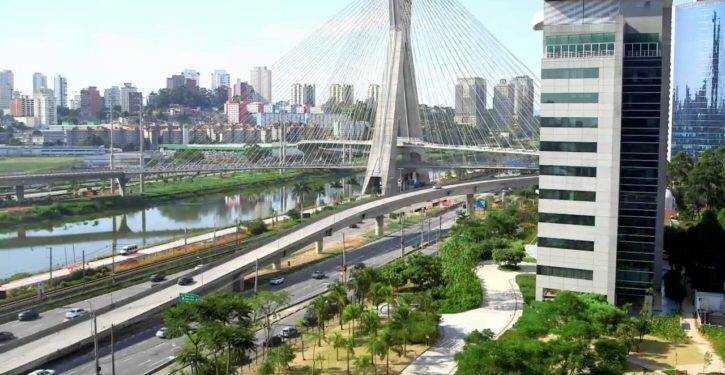
“Infrastructures are a dynamic element of economic growth, through the improvement of productivity and as a consolidation of social development, through the reduction of poverty and the consolidation of the middle class, and that is the great bet of CAF “says Carranza.
The president of CAF, Luis Carranza, considers it to be “fundamental” to reduce the infrastructure gap that exists in Latin America with respect to the richest countries, something “essential” for the development of the region, since it improves productivity.
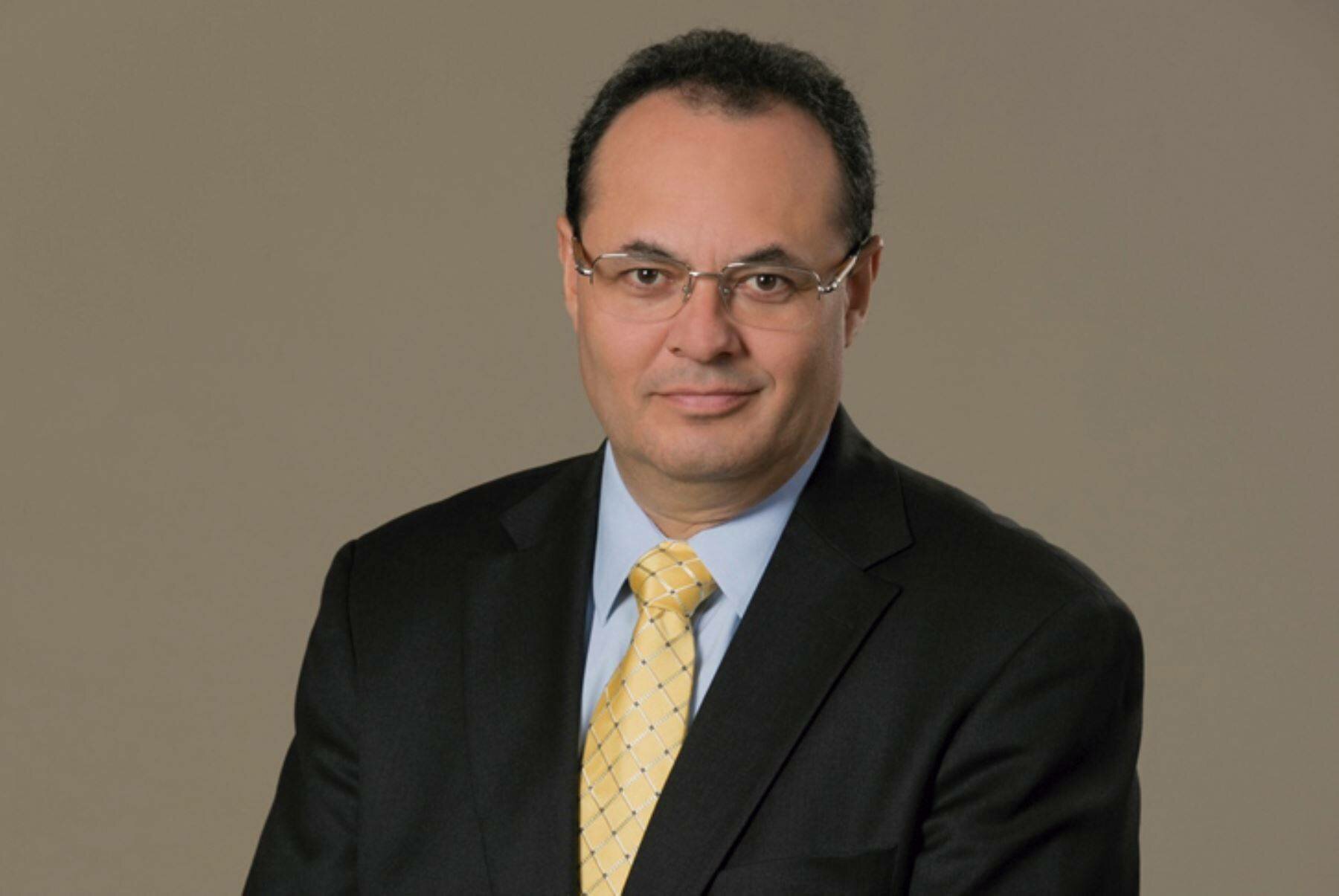
Luis Carranza, President of CAF
“The infrastructures are a dynamic element of economic growth, through the improvement of productivity and as a consolidation of social development, through the reduction of poverty and the consolidation of the middle class, and that is the great commitment of CAF, “says Carranza The executive chairman of CAF-Development Bank of Latin America-, proposes “a pact for productivity”, for what he considers essential “to commit governments, not only in the matter of physical construction (infrastructure), but also in regulation and in customs facilities “, besides promoting public-private partnerships.
According to Carranza, in charge of CAF since April 2007, in Latin America the logistic costs are between 16 and 26% of GDP, while in the OECD countries are between 8 and 9%. “That is part of our productivity gap,” he concludes. Infrastructure development not only includes communication and transport networks (ports, airports, highways or rail), but also other sectors such as telecommunications, water and sanitation.
As an example of the infrastructure deficit suffered by Latin America, the head of CAF cites the 288 million people who do not have an Internet connection or the 60 million who do not have access to sanitation; and the bet of that organism is to help to overcome this situation. For this purpose, the CAF proposes, among other instruments, to promote public-private alliances, although its maximum responsible recognizes that it is necessary to have “an institutional strengthening”.
In Carranza’s opinion, who was Minister of Economy of Peru on two occasions between 2006 and 2009, there are sectors in which these alliances are easier, as in the case of energy or airports, but in others it is more complex, such as water and sanitation, “where we have the biggest gaps, but that’s part of our effort,” he says.
Regarding private investors, he recognizes the weight of Chinese investments, not only in Latin America, but throughout the world, but also highlights relations with Europe, which he considers “fundamental.” “What we want in Latin America is to be able to take advantage of all the advantages that this reality offers us in order to accelerate our growth and achieve a Equitable roll in our region, “says the head of CAF.
In terms of Spanish investment, recognizes the level of competitiveness that construction companies have, but also in other fields such as water management.” Spain has a great opportunity as executing arm to help Latin America to close that infrastructure gap, “he says.
When asked about the protests that sometimes exist in some local communities for infrastructure works, Carranza explains that in the projects in which CAF participates, there is “a very clear component of support to the communities, of integration of rural production centers with their closest markets and of support to small businesses”.
Luis Carranza is in Madrid, where he will attend a conference on infrastructures for Latin America, in which political and private sector representatives will share experiences and see new proposals to advance partnerships.
The forum will be attended by ministers and heads of Economy, Finance and Planning of Bolivia, Brazil, Colombia, Spain, Paraguay, Peru and Uruguay, among other personalities.
The meeting is the first annual conference of CAF in Spain and, according to Carranza, “it will be a permanent space for dialogue and discussion on issues relevant to Latin America,” beginning with the role of infrastructure for integration.
On the 17th, the CAF board will meet in the Spanish capital. King Philip VI of Spain will open, where important infrastructure projects will be approved for Argentina, Colombia, Brazil and Bolivia.

Comments